
Trustee-led charitable institution

Trust Registration in India

Establish a public charitable trust with carefully planned settlor and trustees, lawful objects, identifiable trust property, a durable trust deed and state-specific execution and registration support.

Settlor creates the trustTrustees hold fiduciary dutiesTrust deed controls governanceState rules shape registration
Public-benefit fiduciary structure

What Is Charitable Trust Registration?

A charitable trust is created when a settlor dedicates identifiable property to lawful public-benefit objects and trustees accept responsibility for administering it. The deed becomes the operating constitution for trustee powers, finance, succession and protection of assets.

India does not have one uniform online public-trust incorporation process. State public-trust law, registration legislation, stamp rules and local Sub-Registrar or charity-authority practice can all matter.

Important distinction: the Indian Trusts Act, 1882 principally concerns private trusts; it should not be presented as the sole nationwide law for every public charitable trust.
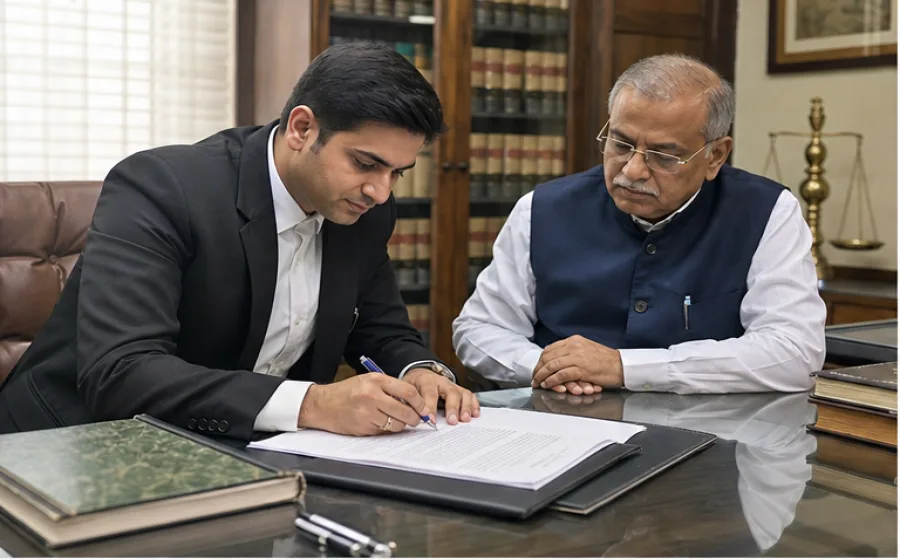

Formation essentials

Charitable Trust Registration Requirements

Settlor

A legally competent person settles identifiable property for the stated charitable objects.

Trustees

Responsible persons accept fiduciary administration under the deed and applicable law.

Trust property

Corpus or property must be identifiable; immovable title needs careful legal review.

Trust deed

The deed defines objects, powers, succession, finance and permanent asset safeguards.

Execution-ready file

Documents Required for Trust Registration

Settlor & Trustees

  • PAN and accepted identity proof
  • Recent address proof
  • Photographs and contact details
  • Occupation and consent

Office & Jurisdiction

  • Recent utility bill
  • Occupancy or ownership proof
  • Owner NOC where applicable
  • Complete local jurisdiction

Trust Property

  • Corpus or property description
  • Ownership and title papers
  • Value and settlement details
  • Immovable-property diligence

Deed Instructions

  • Name and charitable objects
  • Trustee powers and meetings
  • Succession and conflicts
  • Accounts, amendment and dissolution
Registration workflow

Trust Registration Process in India

01

Map purpose and jurisdiction

Confirm charitable objects, beneficiaries, registered-office state, activities and applicable public-trust framework.

02

Choose settlor and trustees

Record the person creating the trust and trustees who will accept fiduciary responsibility.

03

Identify trust property

Describe the initial corpus or property and verify title and transfer implications where immovable property is involved.

04

Draft the trust deed

Set objects, powers, meetings, succession, finance, conflicts, amendment, irrevocability and asset application.

05

Plan stamp and execution

Check state stamp duty, witnesses, identification, photographs, attestation and Sub-Registrar requirements.

06

Register and preserve records

Complete execution and registration or charity-authority filing, then retain the certified deed and receipts.

07

Activate compliance

Obtain PAN, banking and books; record trustee decisions and separately assess tax, Darpan, CSR-1 and FCRA.

Mission protection by design

Clauses a Strong Charitable Trust Deed Needs

The deed should be usable through trustee changes, funding growth, property decisions and regulatory review, rather than being a generic filing document.

Objects and beneficiaries

Define the public purpose and permitted application of income and assets.

Trustee powers and limits

Set meetings, quorum, banking, contracts, investment and approval thresholds.

Succession and conflicts

Plan appointment, resignation, removal, vacancies and related-party safeguards.

Asset lock and dissolution

Preserve irrevocable charitable application and lawful transfer on winding up.

Structure comparison

Trust vs Society vs Section 8 Company

FactorTrustSocietySection 8 Company
GovernanceTrustees under deedMembers and committeeMembers and directors
Core instrumentTrust deedMOA and rulesMOA and AOA
RegistrationState/deed/property frameworkState RegistrarCentral MCA
ParticipationTrustee-ledDemocratic membershipCorporate membership
Often aligned withProperty or trustee-led philanthropyAssociation and networkFormal board-led institution
Approvals remain separate

Tax, CSR and FCRA After Trust Registration

A registered deed does not automatically provide charitable tax status, donor deduction, CSR implementing-agency eligibility, grants or permission to receive foreign contribution.

PAN and bank

Build controlled institutional identity and banking.

Tax registration

Use the current charitable organisation form framework.

Darpan and CSR-1

Check eligibility and programme fit separately.

FCRA authority

Secure registration or prior permission before foreign funds.

State-aware assistance

Trust Registration Near Me Across India

Remote documentation support is possible, but deed stamp duty, public-trust framework, property treatment, physical execution and authority procedure must match the actual registered-office state.

State-specific deed review

Trust Registration in 28 States

28 States
Andhra PradeshArunachal PradeshAssamBiharChhattisgarhGoaGujaratHaryanaHimachal PradeshJharkhandKarnatakaKeralaMadhya PradeshMaharashtraManipurMeghalayaMizoramNagalandOdishaPunjabRajasthanSikkimTamil NaduTelanganaTripuraUttar PradeshUttarakhandWest Bengal
Union Territories

Coverage Across 8 UTs

8 UTs
Andaman and Nicobar IslandsChandigarhDadra and Nagar Haveli and Daman and DiuDelhiJammu and KashmirLadakhLakshadweepPuducherry
Trust knowledge centre

Charitable Trust Registration Blog

Detailed reading on registration, documents, deed governance and annual compliance.

Settlor and trustee questions

Trust Registration FAQs

Clear answers on trust law, deed, property, trustees, tax and foreign funding.

Primary referencesIndian Trusts Act FCRA Online

01What is a public charitable trust?

It is a trustee-administered arrangement in which property is dedicated to lawful public-benefit objects. Its formation and regulation depend materially on state law, registration law and the trust deed.

02Does the Indian Trusts Act, 1882 govern every NGO trust?

No. The Act principally relates to private trusts. Public charitable and religious trusts are also shaped by state legislation, judicial principles, registration law and local authority practice.

03How many trustees are required?

There is no single answer for every state and trust type. Applicable state law, authority practice, activities and the deed must be checked before fixing the composition.

04Is trust deed registration compulsory?

Registration and stamp treatment depend on the deed, property and applicable law. A deed involving immovable property requires particularly careful registration and title review.

05What property is needed to create a trust?

The settlor dedicates identifiable property or corpus to the trust objects. Its description, ownership, value and transfer should be clear; immovable property requires specific legal diligence.

06Does a registered trust automatically receive tax exemption?

No. Entity formation and charitable tax registration are separate. Donor-deduction approval is also separate and carries continuing conditions.

07Can a trust receive foreign donations?

Only with valid FCRA registration or prior permission before receipt or utilisation and compliant banking and reporting. Trust registration alone is insufficient.

08Can trustees use trust assets personally?

No. Trustees hold fiduciary responsibilities and must apply trust assets according to lawful objects and the deed, with conflict and related-party controls.


Call NiyamWale+91 9288494997
Need help?Chat on WhatsApp