Balance Sheet Preparation Services in India | NiyamWale
Reconciled financial reporting

Balance Sheet Preparation Services in India

Expert-assisted preparation of accurate financial statements through trial-balance review, bank and ledger reconciliation, year-end adjustments, supporting schedules and management-ready insights.

Assets verifiedLiabilities reconciledEquity supportedSchedules audit-ready
The equation must balance, the evidence must explain

What Is Balance Sheet Preparation?

Balance sheet preparation converts accounting records into a classified statement of assets, liabilities and equity as at a reporting date. The work goes beyond formatting a trial balance: each material amount should be reconciled, adjusted and supported.

A reliable close links the balance sheet to bank statements, subsidiary ledgers, inventory, fixed assets, loans, taxes, payroll and legal records. The result supports management decisions, audit, tax, lenders and statutory filing.

Core equation: Assets = Liabilities + Equity. A mathematically balanced statement can still be wrong if classifications or source balances are unsupported.
Four connected reporting blocks

Core Balance Sheet Components

01

Assets

Cash, receivables, inventory, investments, fixed assets, advances and other controlled resources.

View workflow
02

Liabilities

Payables, borrowings, statutory dues, provisions, accruals and other present obligations.

View workflow
03

Equity & Funds

Capital, securities premium, reserves, retained earnings, drawings or accumulated funds.

View workflow
04

Notes & Schedules

Account policies, ageing, movement schedules, commitments, contingencies and supporting disclosures.

View workflow
Financial close data room

Documents Required for Balance Sheet Preparation

Books & Ledgers

  • Trial balance and general ledger
  • Sales and purchase registers
  • Journal and adjustment entries
  • Prior-year financial statements

Banks & Funding

  • Bank statements and reconciliation
  • Loan statements and sanctions
  • Capital or partner records
  • Interest and security schedules

Operating Schedules

  • Receivable and payable ageing
  • Inventory count and valuation
  • Fixed asset register
  • Payroll and employee balances

Tax & Compliance

  • GST and TDS reconciliations
  • Income-tax ledgers
  • Statutory dues and challans
  • Notices, demands and refunds
Trial-balance-to-report workflow

Balance Sheet Preparation Process

01

Define reporting scope

Confirm entity, period, accounting framework, comparative period, audit or filing purpose and management requirements.

02

Lock the trial balance

Complete ledger scrutiny and freeze the working trial balance after posting known entries.

03

Reconcile control accounts

Match banks, receivables, payables, inventory, taxes, payroll, loans, capital and related-party balances.

04

Prepare year-end adjustments

Record depreciation, accruals, provisions, prepaid expenses, inventory valuation, foreign exchange and tax entries.

05

Build supporting schedules

Prepare note-wise schedules for every material asset, liability, equity and contingent item.

06

Draft and review statements

Prepare balance sheet, profit and loss, notes and applicable cash-flow or supporting statements.

07

Approve and archive

Resolve review points, obtain management approval and preserve final statements, workings and source evidence.

Statements that support decisions

From Closing Balances to Management Insights

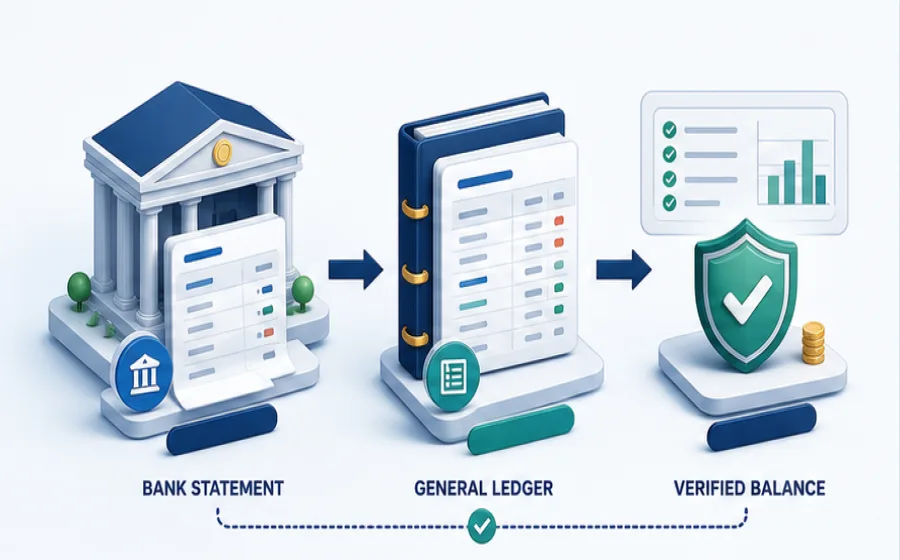
Bank reconciliation infographic

Bank reconciliation

Trace statement balances, uncleared items and ledger differences.

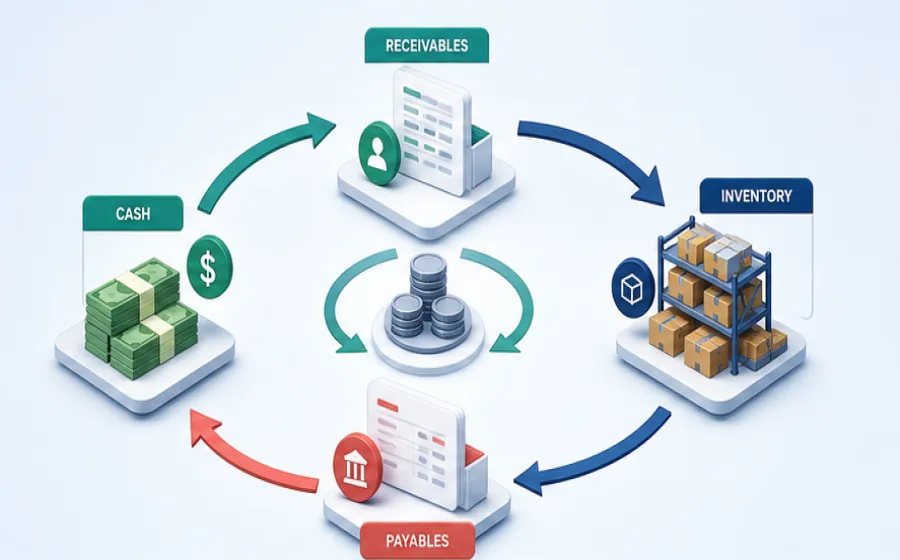
Working capital cycle infographic

Working capital cycle

Review cash tied up in receivables, inventory and payables.

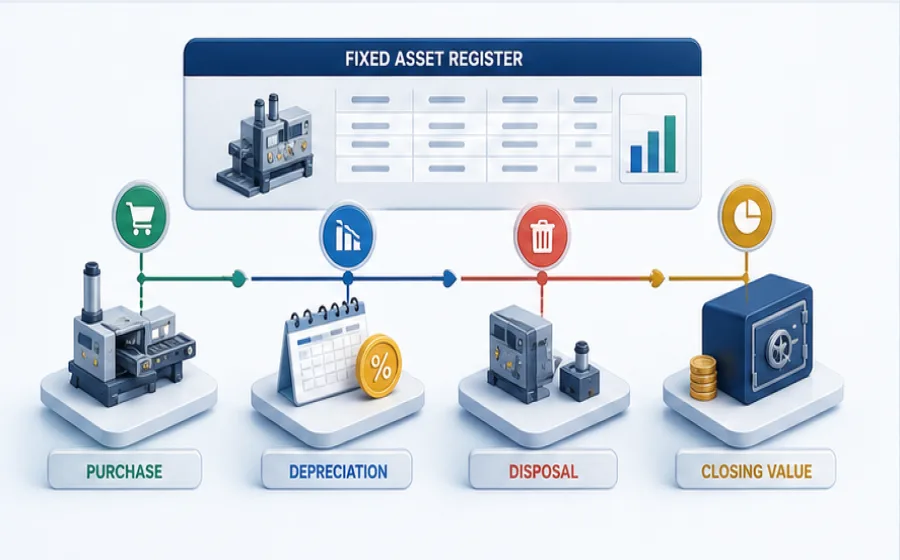
Fixed asset movement infographic

Fixed asset movement

Track additions, depreciation, disposal and closing written-down value.

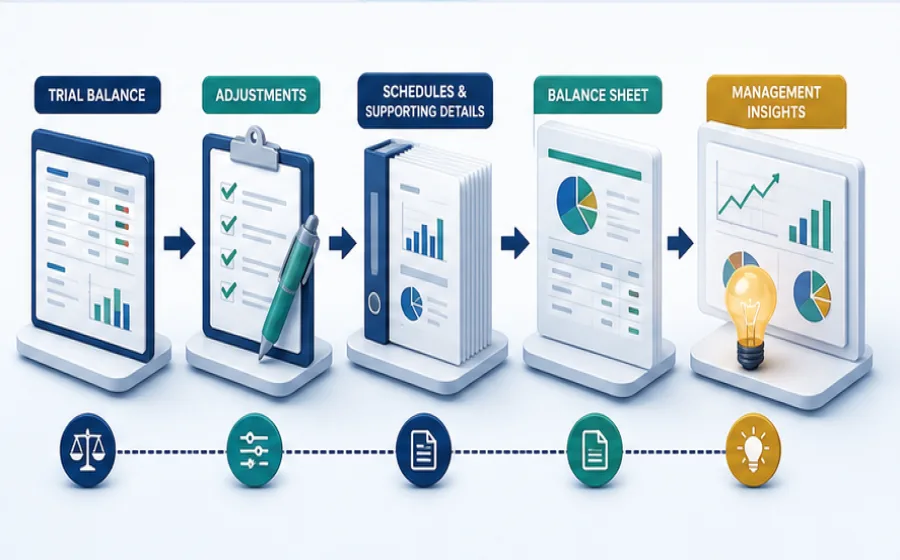
Year-end close infographic

Year-end close

Connect trial balance, adjustments, schedules and final reporting.

Financial reporting library

Balance Sheet Preparation Blog

Practical guides for reconciliations, working capital, fixed assets and year-end close.

Financial close questions

Balance Sheet Preparation FAQs

Clear answers on records, reconciliations, scope and reporting.

01What is included in balance sheet preparation?

The engagement generally includes trial-balance review, account reconciliations, year-end adjustments, supporting schedules and preparation of the balance sheet with related statements and notes based on the agreed scope.

02Is a balance sheet the same as a trial balance?

No. A trial balance lists ledger balances, while a balance sheet presents classified assets, liabilities and equity after adjustments, reconciliations and financial-statement presentation.

03Which records are required?

Books and trial balance, bank statements, receivable and payable ageing, inventory, fixed assets, loans, taxes, payroll, capital, prior statements and supporting contracts are commonly required.

04Can a balance sheet be prepared from bank statements only?

Bank statements alone rarely establish a complete balance sheet. Outstanding invoices, inventory, assets, liabilities, capital, taxes and non-bank transactions also need evidence.

05How are unreconciled differences handled?

Differences should be investigated and supported. Unsupported plugging or forced balancing can hide errors and weaken audit, tax, lender and management use.

06Is audit included automatically?

No. Preparation and statutory or tax audit are different services. An independent audit, review or certification requires a separately applicable scope.

07Can management accounts be prepared monthly?

Yes. A repeatable monthly close can provide balance-sheet schedules, working-capital trends and exception reports before the statutory year-end.

08Does the final format vary by entity?

Yes. Companies, LLPs, firms, proprietorships, trusts and societies can have different presentation, disclosure and filing requirements.


Call NiyamWale+91 9288494997
Need help?Chat on WhatsApp